Tuesday, 11 February 2020

Pharmacology Made Simple : Rifaximin


Mechanism Of Action. 

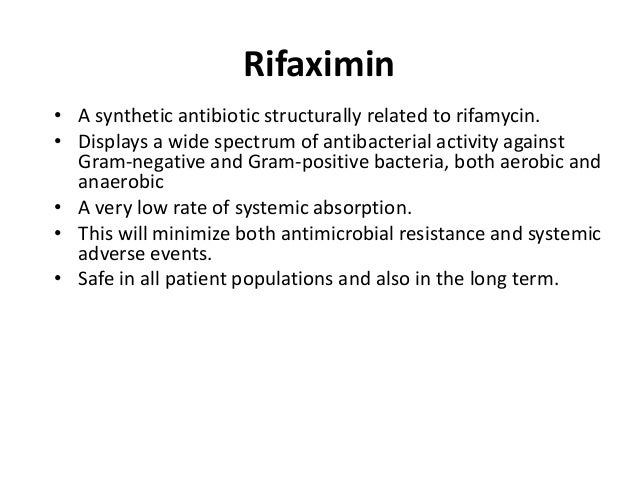
Rifaximin is a semi-synthetic derivative of rifampin and acts by binding to the beta-subunit of bacterial DNA-dependent RNA polymerase blocking one of the steps in transcription.

This results in inhibition of bacterial protein synthesis and consequently inhibits the growth of bacteria.


Chemical Structure Of Rifaximin
Image result for rifaximin pharmacology


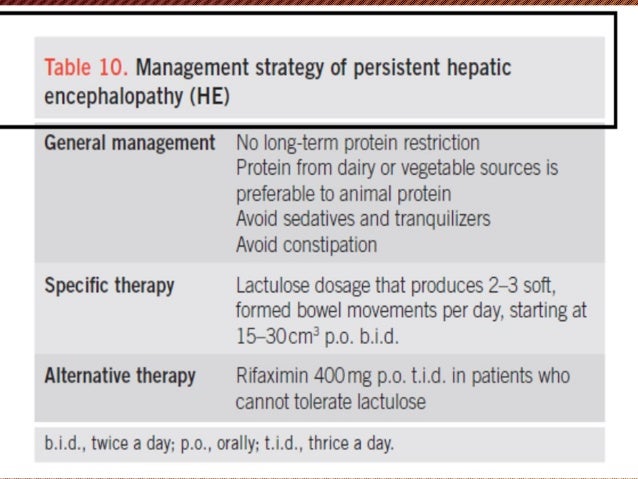
Uses Of Rifaximin


Image result for rifaximin pharmacology


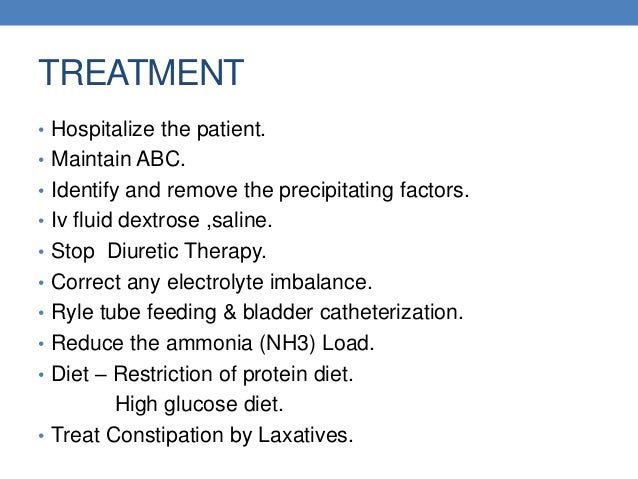
Rifaximin Use in Hepatic Encephalopathy:

Image result for rifaximin pharmacology

Other uses include treatment of: infectious diarrhea, small intestinal bacterial overgrowth, inflammatory bowel disease, and diverticular disease.

Rifaximin is effective in treating small intestinal bacterial overgrowth regardless of whether it is associated with irritable bowel syndrome or not.

BASIC STEPS IN MANAGEMENT OF HEPATIC ENCEPHALOPATHY


Image result for rifaximin pharmacology


Saturday, 25 January 2020

Pharmacology Made Simple : Cinnarizine

Mechanism Of Action :

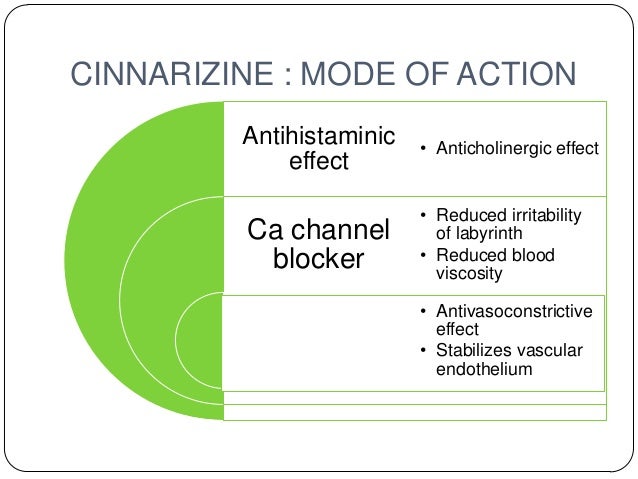
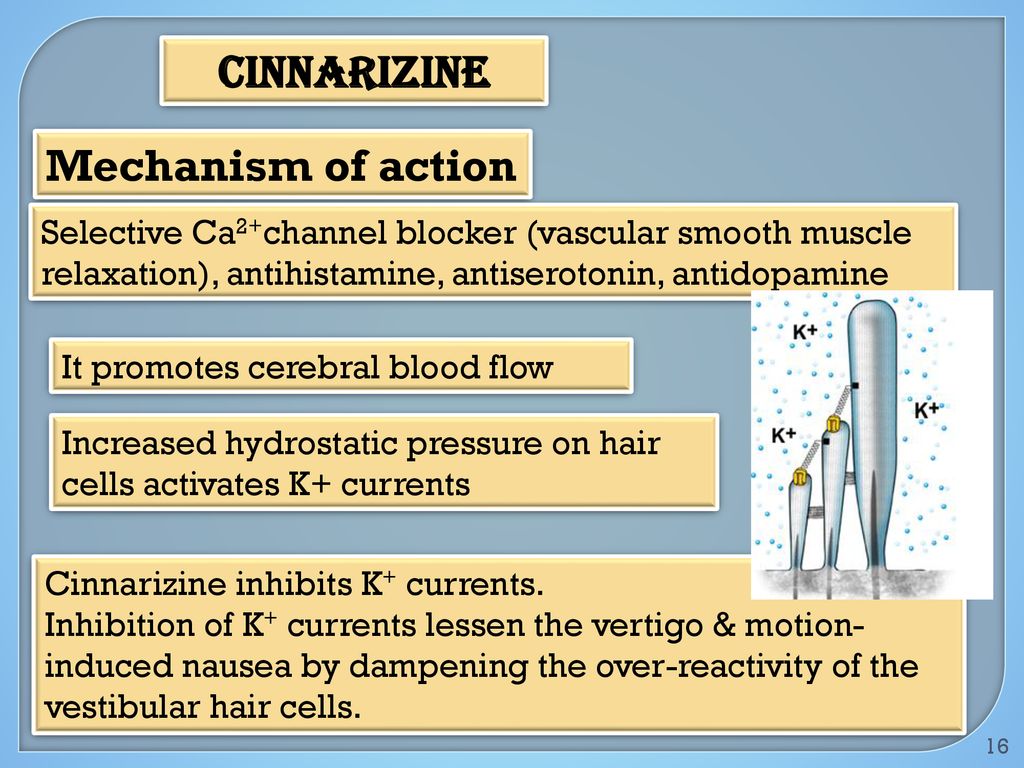
Cinnarizine inhibits contractions of vascular smooth muscle cells by blocking L-type and T-type voltage gated calcium channels.


Cinnarizine has also been implicated in binding to dopamine D2 receptors, histamine H1 receptors, and muscarinic acetylcholine receptors.

Image result for cinnarizine mode of action

Image result for cinnarizine mode of action


Uses / Indications :

Maintenance therapy for  Peripheral circulatory disorders : Raynaud"s phenomenon,Acrocyanosis,intermittent claudication ,paresthesias,trophic and varicose ulcers.

Cerebral circulatory disorders.

Maintenance therapy for symptoms of cerebrovascular origin ( dizziness,ear buzzing / tinnitus,vasccular headache,unsocialbility and irritability disorders,loss of memory.

Prophylaxis of migraine.

Disorders of balance.

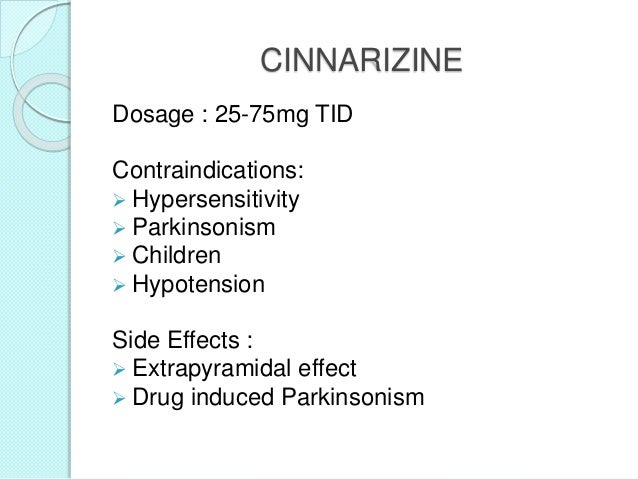
Cinnarizine is used for the control of vestibular disorders such as vertigo, tinnitus, nausea and vomiting such as that seen in Meniere's disease.

Cinnarizine is also effective in the control of motion sickness.

Recommended Dosage :
25 mg tds in adults.

Side Effects :

Hypersomnia

Lethargy

Stomach discomfort

Vomiting

Dyspepsia

Fatigue


Hyperhidrosis

Image result for cinnarizine mode of action

Tuesday, 5 November 2019

Psychology Made Simple : How to cope with Stressful Situations Part 3

Behavioral Activation

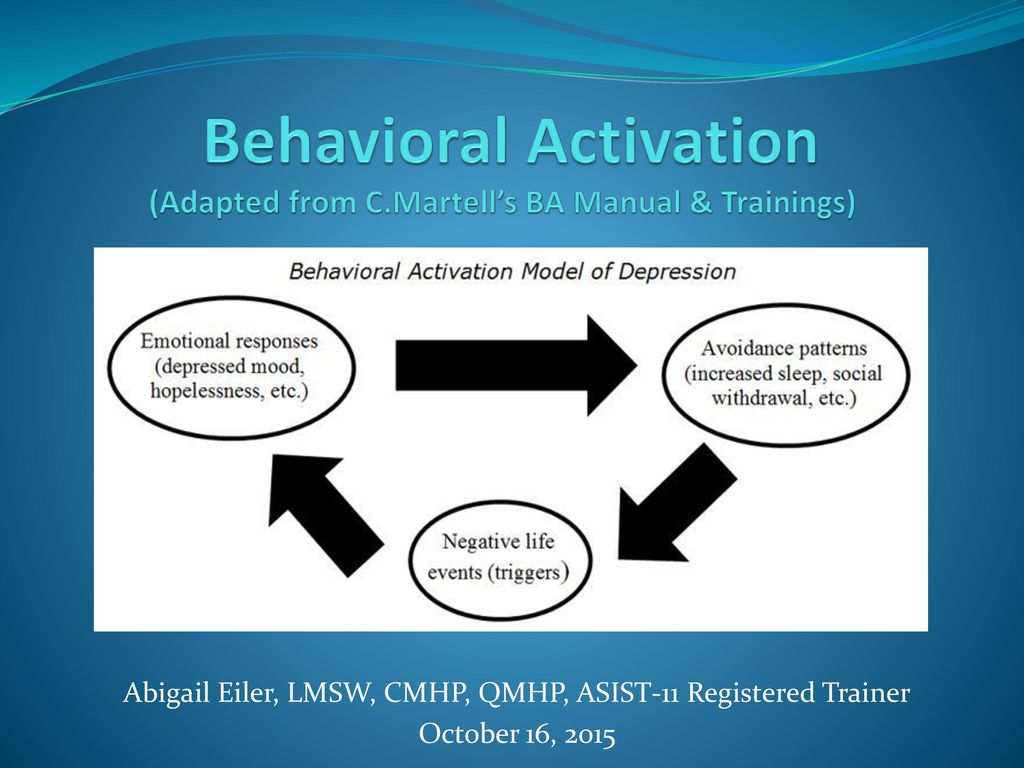
In this method,our aim is to encourage the patient to take up and get involved in productive activities and keep a record of these on daily basis and convey them to their counsellor.

It is a consyructive method to divert attention of someone with depression.

Image result for behavioural activation images

Related image

Image result for behavioural activation images

Saturday, 19 October 2019

Psychology Made Simple : How to cope with Stressful Situations 2

The Cycle of Positivity Vs The Cycle of Depression :

For a more detailed discussion please visit :

https://www.psychpoint.com/mental-health/


There are two different cycles that can be utilized to show the cycle of Activity and Cycle od Depression.

These are below :


Image result for behavioral activation


In order to avoid going into depression,some key steps need to be followed:


Image result for behavioral activation


Efforts should be made to try to adopt a positive daily activities performance report:


Sunday, 13 October 2019

Psychology Made Simple : How to cope with Stressful Situations

Human life is complex and everyone faces a stressful situation at some time.
This could be a failure in exam,an accident,a death of someone close or some form of bullying / harrassment.

Life in not perfect and everyone has to go through tough times in life to achieve succees,

The key is to cope with the stressful situation adequately and move forward in life.

While there is reported to be an imabalance of chemicals / neurotransmitters in brain during periods of stress and medications do help but the following steps are very useful in order to tackle with a difficult situation :

1.Talk to someone close to you who you trust and discuss about your issues.This could be family or firends

2.Seek advice / support from someone who you have trust in and is more experienced in life / senior to you eg someone in your family : Parents or elder siblings.

3 .Do something that makes you feel better.eg going to a park or a natural resort.

4.Try to assess the damage done.Was there a cause for this event eg some inexperience on your behalf or some bias from someone.?

5.Dont be left alone

6.Think positive and  plan how to get out of this situation.Move ahead and march forward.Going in other directions may prove lethal.

7.Look at the moments of success in your life and feel optimistic that you will overcome this too.8.

8.We are not perfect and not meant to succeed in everything.Failures do happen and should be taken as a step towards success by learning from their causes and how to prevent them again.

9.Try to change the course of your thoughts and get out of the loop / cycle of thoughts of depression.

10 Indulge in some positive / constructive  activity for a longer time period
Wednesday, 31 July 2019

Rheumatology Made Simple : Monoarthritis


Rheumatology Made Simple :  Monoarthritis

Pain and inflammation of a single joint is known as monoarthritis.

Targeted History and examination is important in order to narrow down the differential diagnosis.

Common causes of Monoarthritis include the following :

Trauma


Crystal Arthropathy


Gout / Pseudo Gout


Infections

Seronegative spondyloarthritis


Nonspecific inflammatory conditions,


Neoplasm


Immunologic conditions.


Key steps in developing Differential Diagnosis :

1. Is there any history of trauma.

2.Decide if process is articular or extra articular.,

3.Use clues from history and physical examination to narrow down the differential diagnosis ( Age,Gender,Risk factors,Previous episodes,Family history,Back pain,Travel history
Presence of extra-articular manifestations is particularly useful.

4.Obtain labarotory data .This is unlikely to make a diagnosis in isolation.

5.Joint aspiration is done to analyze synovial fluid to establish diagnosis and guide therapy


Saturday, 1 December 2018

Chemistry Made Simple : Catenation

Join our facebook page for discussions and further good quality learning :
https://www.facebook.com/groups/405813783372378/


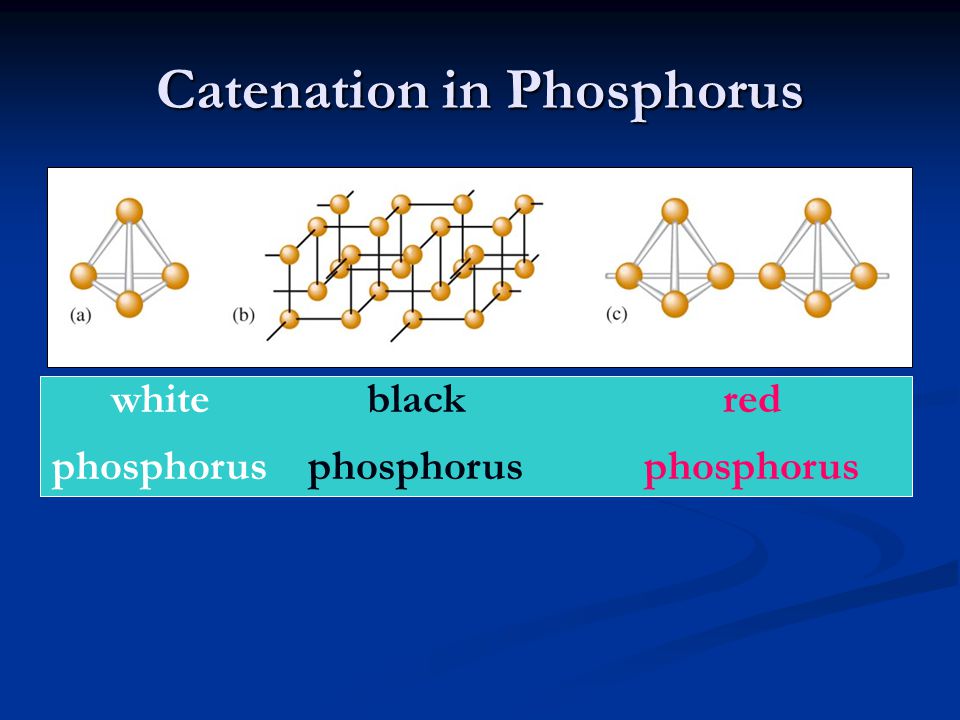
Catenation is the bonding of atoms of the same element into a series, called a chain.

A chain or a ring shape may be open if its ends are not bonded to each other (an open-chain compound), or closed if they are bonded in a ring (a cyclic compound).


Catenation occurs most readily with carbon, which forms covalent bonds with other carbon atoms to form longer chains and structures

Image result for catenation images


Image result for catenation images


Related image


Related image


Carbon is most well known for its properties of catenation, with organic chemistry essentially being the study of catenated carbon structures (and known as catenae).

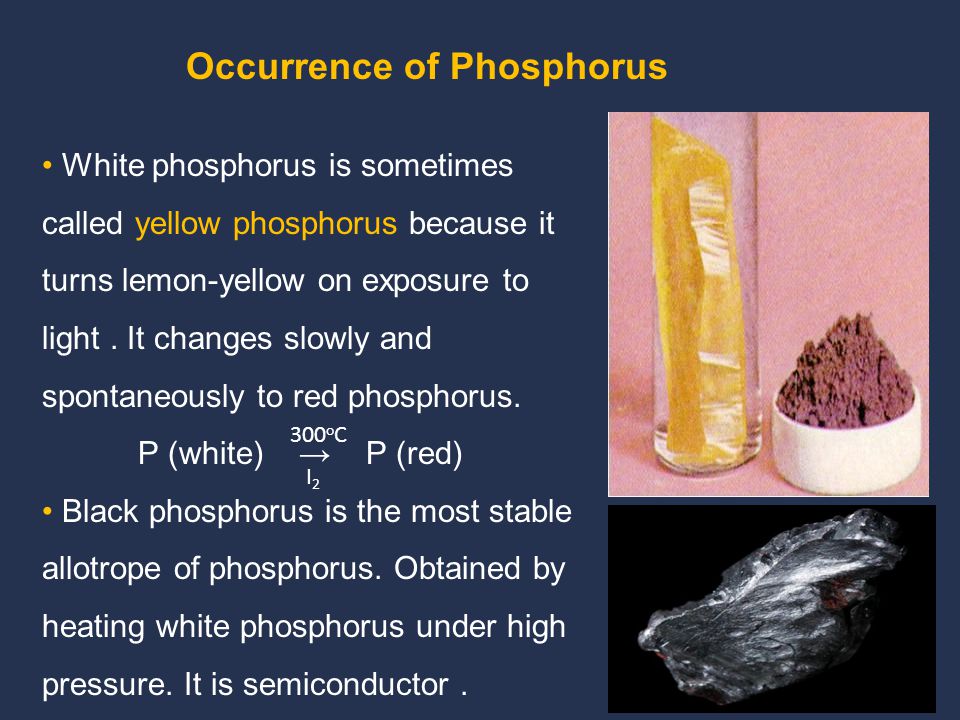
However, carbon is by no means the only element capable of forming such catenae, and several other main-group elements are capable of forming an expansive range of catenae, including silicon, sulphur  boron and phosphorus


Image result for catenation images


Related image


Related image


Related image